![gqrwagfv_151198[2]](/attachment/154/source/gqrwagfv_1511982_181922.png)

DBM90: Why the Same MgO Grade Does Not Always Mean the Same Performance
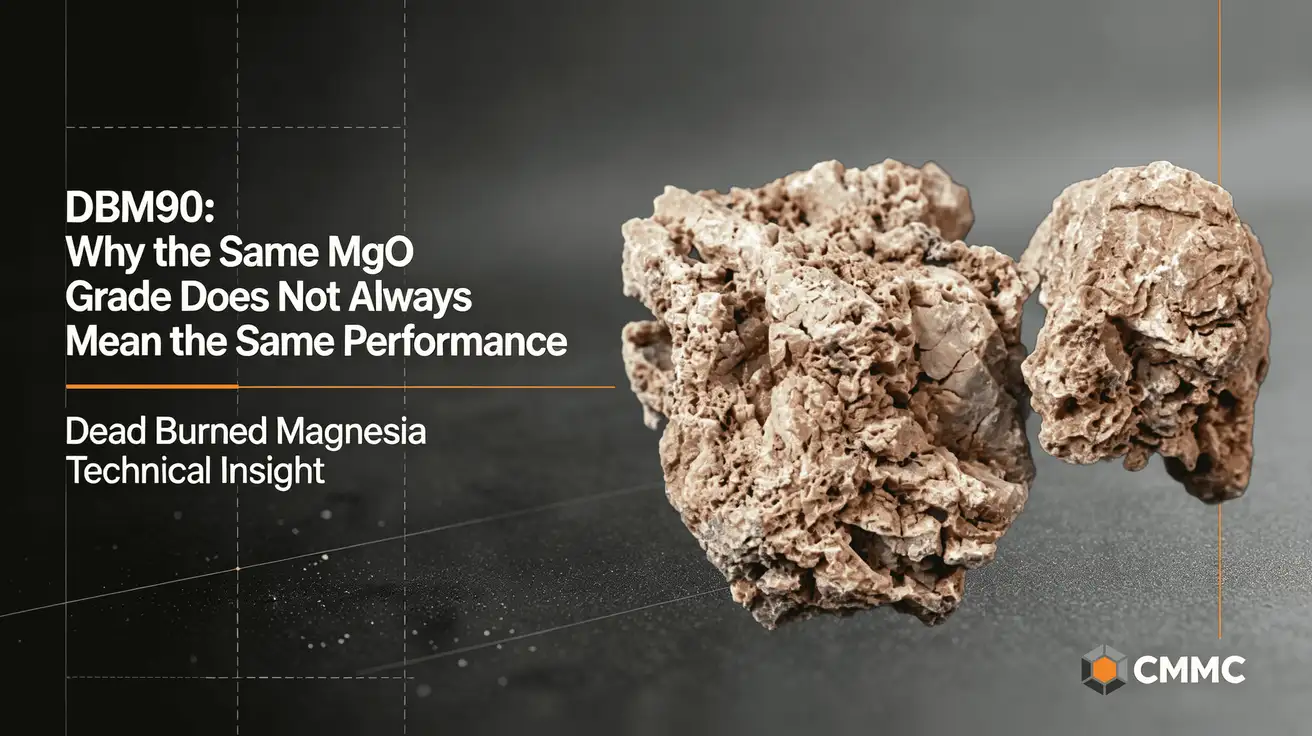
Dead Burned Magnesia (DBM90) is widely used as a refractory raw material, particularly in applications where high MgO content and stable material properties are required.
Two suppliers may both offer DBM90 with MgO ≥ 90%, yet their products may not perform the same way in actual refractory applications.
Why MgO Content Alone Is Not Enough
MgO is only one part of the technical specification. When evaluating DBM90, buyers should also consider:
- MgO content
- LOI (Loss on Ignition)
- SiO₂
- CaO
- Fe₂O₃
- Al₂O₃
- Bulk density
- Particle size distribution
These parameters can affect the consistency and suitability of Dead Burned Magnesia for refractory production.
Therefore, instead of asking only:
“What is the MgO content?”
A more useful question is:
“What are the complete guaranteed specifications of the DBM90 I am buying?”
The lowest purchase price does not always represent the lowest overall cost.
LOI Is One Parameter Worth Checking
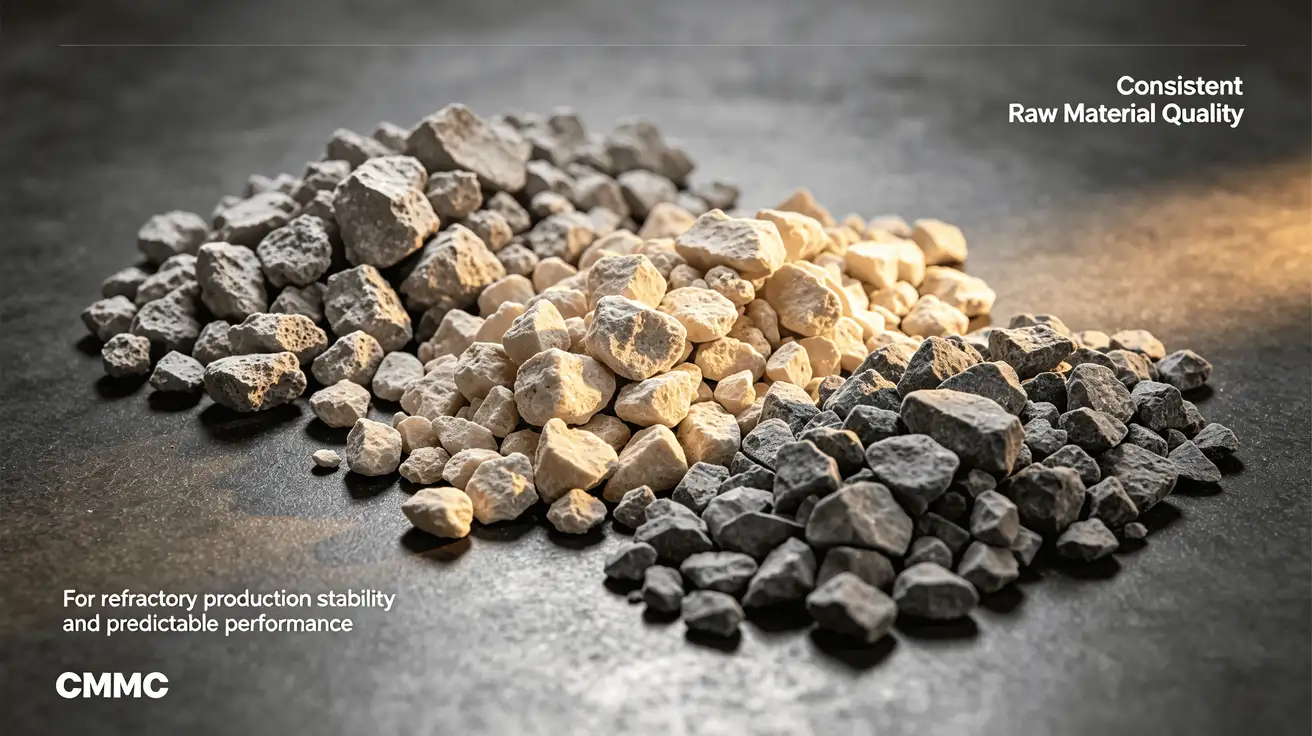
Different suppliers may offer DBM90 with different guaranteed LOI levels, even when their MgO content is similar.
LOI alone does not determine the performance of DBM90. However, it is an important parameter to consider when evaluating refractory raw materials.
For monolithic refractories, raw-material characteristics can influence water demand, workability, packing, density and the performance of the finished refractory product.
What Should Buyers Consider When Purchasing DBM90?
A proper evaluation of Dead Burned Magnesia (DBM90) should consider the complete technical specification, product consistency and suitability for the intended refractory application—not MgO content alone.
For refractory manufacturers, consistent raw-material quality can be just as important as the initial purchase price.
Our Approach to Refractory Raw Materials
At CMMC, our goal is not simply to supply refractory raw materials that meet specifications on paper.
We aim to help customers make better technical and purchasing decisions by providing consistent, reliable and application-suitable materials.
We believe that a good supplier relationship requires more than a price agreement. It requires technical understanding, transparent specifications and consistent product quality. Every technical discussion should create value for both the supplier and the customer.